


 Castlegar, BC. Serving the Kootenays and beyond.
Belonging only counts if it renews.
Membership organization websites that win the join and keep the renewal.
Associations, chambers, clubs, and societies live or die on dues and renewals. Your member portal runs the database and the billing, but it does not win the join and it does not chase lapsed members. I build membership websites from Castlegar, BC that make the case to join, then wire in the platform your board already runs.

What the renewal decision really hinges on
I treat the public site as the half of the operation your member portal cannot do: making the case. Before a prospect ever sees a login screen, they should know who you serve, what dues fund, how the organization is governed, and why joining beats watching from the sidelines. I make that case airtight, then connect it to whatever platform runs renewals, payments, and the directory, so a chamber of commerce website or a club and society site feels like one credible organization rather than a marketing page bolted to a billing tool.
- 01
Renewal is decided months before the dues notice
Members renew when the year's value is obvious and the path is short. If nobody can point to what their dues funded, or the renewal route starts at a forgotten password, even a healthy organization bleeds members to plain inertia. The public site is where the value gets restated all year.
- 02
Lapsed members drift, they rarely quit
Almost nobody resigns in protest. They miss one notice, skip one AGM, and quietly become the lapsed members no volunteer wants to cold-call. A site that keeps benefits visible and the renewal path one obvious step shrinks that drift before it starts.
- 03
The board judges the front door
Directors are responsible for the organization's reputation, and they read the website as its public face. A dated, hard-to-update site looks like a governance problem at the AGM. A clear, current one tells the board, the members, and the funders that the organization is run well.
- 04
Belonging is a value argument, not a portal feature
Nobody joins because a member portal exists. They join because membership feels useful, respected, and worth a recurring commitment of dues. The public site has to win that argument before the application form ever loads.
- 05
Trust is the precondition for paying dues online
Members hand over personal details and card numbers and expect both handled responsibly. A site that explains its privacy practices, works for every member, and never asks for more data than it needs earns the confidence that makes joining and renewing feel safe.
The standard a member-funded build gets
No membership organization in the portfolio yet. Here is the standard the first association build will get.
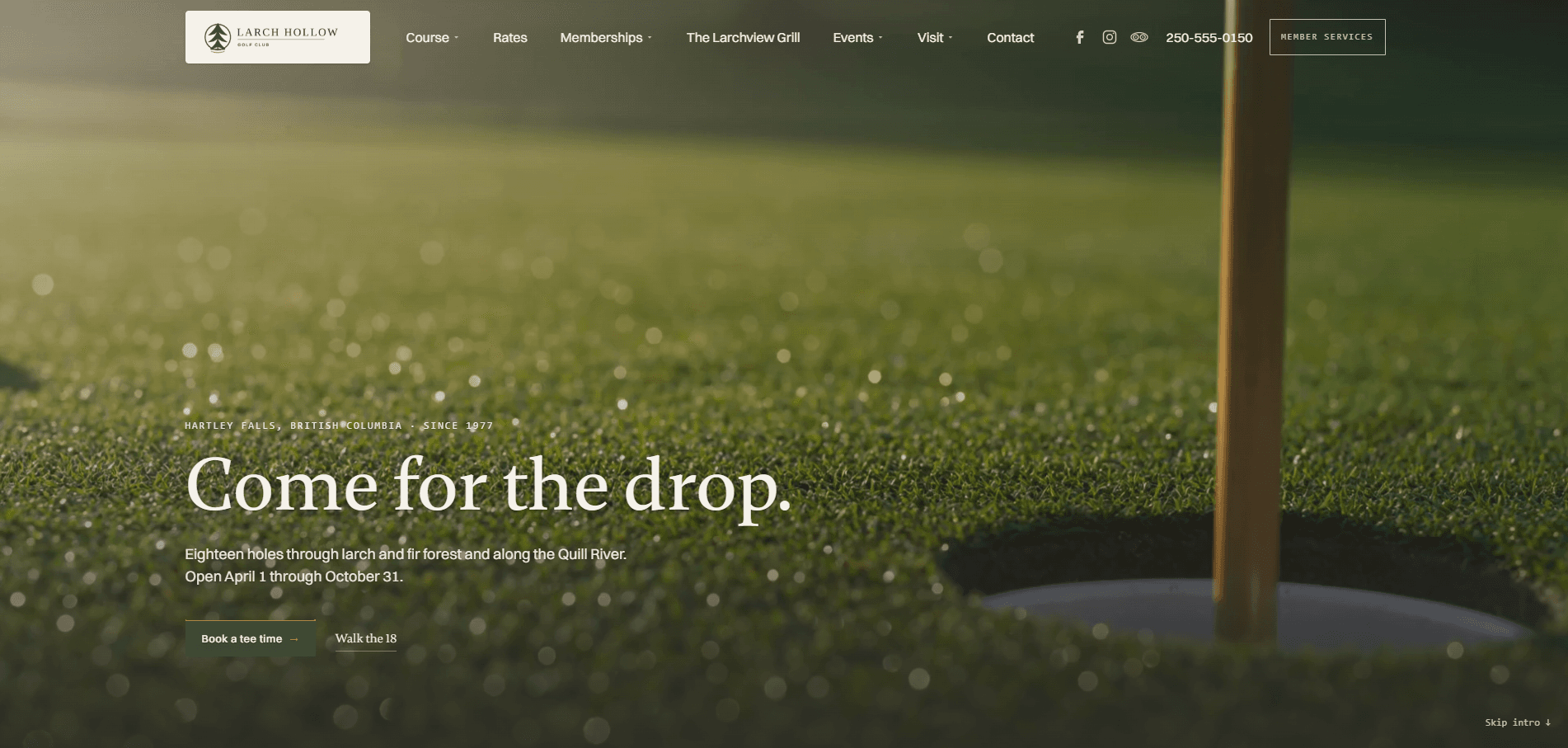
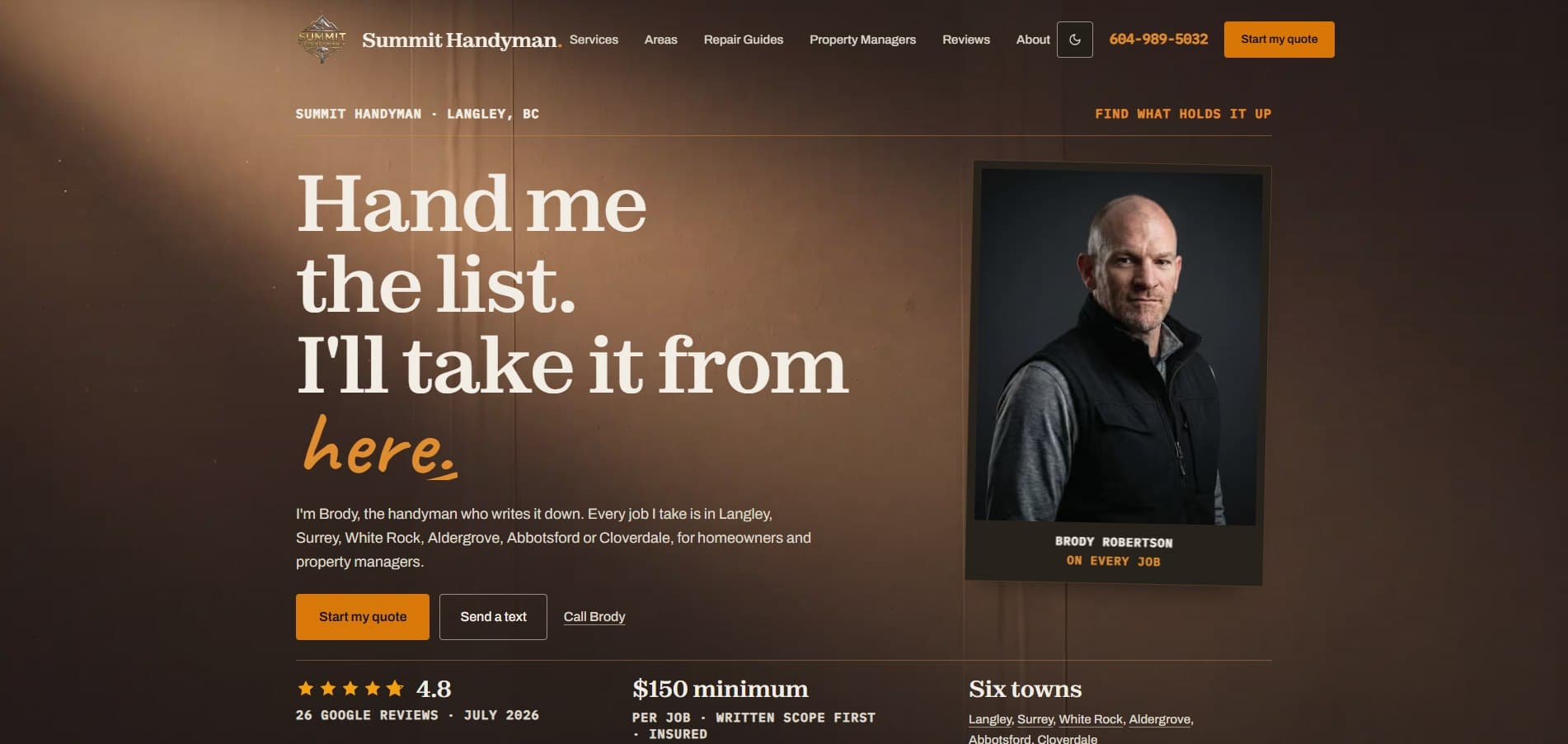
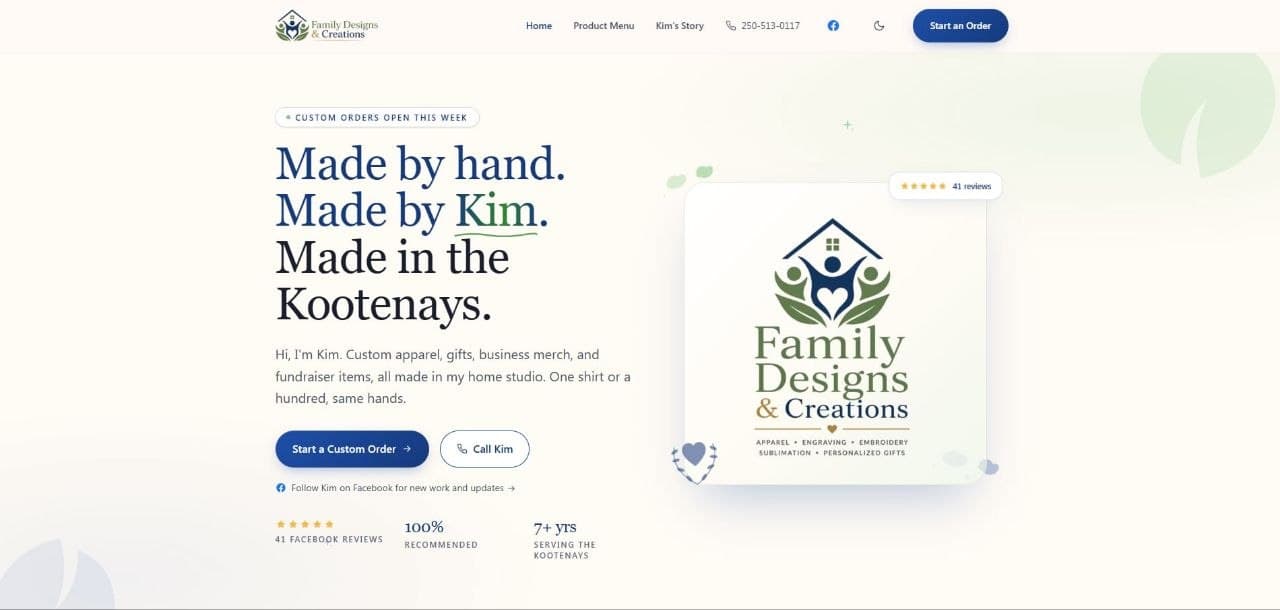
What I build for member-funded organizations
- 01
Make the case to join and renew
Clear membership tiers, benefits in plain language, what dues fund, who it is for, and an honest answer to the question every prospect asks: is this worth it? I write the join and renewal paths so the decision feels easy and the value feels earned, whether you are a chamber of commerce in Trail or a rod and gun club outside Creston.
- 02
Events, resources, and member communication
Calendars, registration, newsletters, learning materials, and private resources made easy to find. I map what lives on the public site versus behind the member portal login so members never hunt for the thing they came for, and the AGM notice never gets buried.
- 03
Directory and community proof
Member directories, spotlights, partner listings, and impact numbers that prove the network is real and active. Social proof does the convincing before the application starts, with privacy controls on what each member chooses to show.
- 04
Governance and transparency
A home for your board, bylaws, annual reports, financials, and policies. For chambers, societies, and registered charities this is not decoration. It is the credibility layer members and funders look for, and I make it easy to keep current between AGMs.
- 05
Portal and platform planning
I decide with you what belongs on the public site, what belongs behind login, and what your member platform should own. Then I connect the two so renewals, dues, the directory, and email run on proven tools while the brand and the message stay yours.
The standard that comes with every build I ship.
- Membership value homepage and a why-join story
- Join, renewal, and member-tier pages in plain language
- Event calendar and registration paths
- Directory and member-spotlight structure
- Board, bylaws, and annual-report governance section
- Clean handoff into your member portal for dues and renewals
- Privacy notice, consent language, and accessible forms

Drift is charged to the member and to the volunteer chasing them
Members rarely leave in anger. The loss turns up as a name missing from the roll at the AGM, and a director working a spreadsheet on a weeknight after their actual job. The right column ends both.
The renewal path starts at a login screen
Costs them
A member who came to pay dues meets a forgotten password first, tells themselves they will sort it out later, and later becomes next year.
Costs you
Password resets landing on whoever holds the membership inbox, and a name the board now has to win back from a standing start.
FixOne obvious renewal route from any public page into the portal, with the value restated on the way and no password wall in front of the ask.
Nobody can say what the dues actually funded
Costs them
They are asked to commit again on faith, and faith runs thin in a year that looked quiet from where they were standing.
Costs you
A renewal season argued one conversation at a time, and a board meeting spent defending the fee instead of planning the work.
FixA year-in-review page naming what dues paid for, published before the notice goes out rather than assembled after someone questions it.
The same September questions answered by hand
Costs them
A prospective member waits days to learn the fee, the categories, and what happens at the AGM, which reads like an organization with no room for them.
Costs you
A volunteer secretary retyping the same three paragraphs through the busiest month of the calendar, in the evenings, unpaid.
FixTiers, fees, what each category includes, and the meeting calendar written on the site, so the inbox stops being the only manual.
Bylaws and financials live in a filing cabinet
Costs them
A member deciding whether to keep paying cannot see how the money is governed, and a funder checking you out finds nothing to check.
Costs you
Document requests handled one email at a time, and a governance question at the AGM that a link could have settled in advance.
FixA governance section holding board, bylaws, minutes, financials, and annual reports, structured so a volunteer can keep it current in minutes.
Lapsed members have no way back that is not awkward
Costs them
Returning means admitting they let it slide, so they wait for a nudge that never arrives and stay away over something small.
Costs you
Cold calls nobody on the board volunteered for, and a roll that shrinks a little every year without a single complaint being made.
FixA welcome-back path that lets a lapsed member rejoin in one step, with consent-safe reminders running through the platform you already pay for.
The renewal loop: the site chases lapsed members so your volunteers do not have to
Most organizations lose members to drift, not dissatisfaction. The dues notice goes out, life gets busy, the login gets forgotten, and by the next AGM another name has quietly lapsed. Chasing those members usually falls to a volunteer director with a spreadsheet and a reluctant phone voice.
I design the site as the front half of a renewal loop. The public pages restate the value of membership all year, not just at renewal time: what dues funded, what events ran, what the network delivered. The renewal path itself is one obvious route from any page into your member portal, with no dead ends and no password wall as the first step.
- A year-in-review page that makes the value of dues concrete before the notice lands
- Renewal prompts timed to your cycle instead of buried in a menu
- A welcome-back path that lets lapsed members rejoin without shame or paperwork
- Consent-safe reminder emails through your platform, set up to respect CASL
Member data, dues, and the rules that protect both
A site in this category is judged on more than looks. These are the obligations and reassurances I build in by default, so the business stays credible and protected.

PIPEDA and member privacy
Member records, applications, and directory data are personal information. Federal PIPEDA can apply when an organization engages in commercial activity, which includes selling, bartering, or leasing a membership or donor list, so a clear privacy notice and disciplined data handling matter. I build a plain-language privacy page, limit what each form collects, and keep member data in your secured platform rather than scattered across the public site.
CASL and member communications
Newsletters and announcements are commercial electronic messages under Canada's Anti-Spam Legislation. Clubs and associations get implied consent for the duration of a membership plus two years after it ends, but every message still needs clear sender identification and a working unsubscribe honoured within ten business days. I wire signup, consent capture, and an unsubscribe path that keeps your email program defensible.
PCI DSS for dues and donations
Any online dues, event fee, or donation involves cardholder data governed by the PCI DSS. The safest path is to never store card numbers on your own site. I route payments through PCI-compliant processors and platforms so card data is tokenized and handled by the gateway, which keeps your obligation small and your members' details protected.
Accessibility to WCAG 2.2 AA
Membership serves a broad public, and public bodies in BC operate under the Accessible British Columbia Act with WCAG-aligned expectations that are steadily widening. I build to WCAG 2.2 AA: keyboard-navigable forms, real contrast, alt text, and labelled fields, so joining, renewing, and registering for events work for every member, including those using assistive technology.
Governance and charity transparency
Registered charities file the public T3010 return with the CRA and are expected to keep bylaws and governing documents current. Members and funders increasingly look for that openness on the website. I give your bylaws, board, financials, and annual reports a clear, easy-to-update home so transparency is a strength rather than a scramble.
Secure member areas and clear consent
Gated resources and member directories need to be private and clearly explained. I plan the login boundary with your platform, use secure hosting and HTTPS throughout, and make sure members understand what is collected, what is shown publicly, and what stays private, so the trust that drives renewals is earned and kept.
Want this standard on your site?
One conversation, no pitch deck. Tell me where the business is stuck and I will tell you what I would build.
31 of the 142 Non-profits & Charities on The Kootenay List have no website, as of September 3, 2026. The ones that do are the ones a customer can find.
What a build like this costs.
A focused presence site starts with the Trailhead: $2,000, or $500 today and $142 a month on Own It Monthly ($2,204 total). Plenty of businesses in this industry need exactly that and nothing more.
Bigger jobs usually land at $6,500, or $1,625 today and $457 a month on Own It Monthly ($7,109 total)
The Engine · typical timeline 4 to 5 weeks
Most associations, chambers, and clubs need the public value case, the join and renewal paths, event pages, and a clean portal handoff, which is exactly what the Engine covers.
The honest answer depends on what you actually need, not on a package name. Start with the free check-up or the contact form, and I will book a proper 45-minute consultation with you, no pressure either way.
Comparing options right now? What a website should cost breaks down how to read any quote, and who actually owns your website covers what you keep if you ever leave, on any platform, including mine.
Your member-management platform does the plumbing. KMD wins the decision.
These platforms are built to administer members you already have. They are not built to convince a prospective member that the dues are worth it, or to reassure a board that the renewal experience reflects well on the organization.
Tools like Wild Apricot, MemberClicks, GrowthZone, ClubExpress, and similar platforms run the database, the renewal billing, the event registration, the member directory, and the email blasts. They are the back office. The decision to join, stay, and recommend you to a peer is made on the public site, long before anyone reaches the login screen.
What the category tool covers
- Member database, profiles, and self-service accounts
- Applications, dues billing, renewals, and recurring payments
- Event registration, calendars, and ticketing
- Member directories, gated content, and resource libraries
- Bulk email, automated reminders, and engagement reporting
Where the upgrade actually pays off.
- 01
Make the public site sell membership and prove value before anyone is asked to log in
- 02
Run renewals, payments, and email on a proven platform while keeping the brand experience custom and persuasive
- 03
Separate member types so each audience sees its own benefits, its own price, and its own reason to join
- 04
Give lapsed members a welcome-back path instead of a guilt trip, and let the site do the chasing
- 05
Cut support email by making renewal, event, and resource paths obvious, and put governance in the open
Related guides.
- WordPress Alternative: When to Leave Your Aging Site
- CASL Email Marketing Compliance: A Plain Guide for Canadian Small Business
- What a Club or Membership Organization Website Actually Needs
- What Should a Golf Course Website Include? The Complete Checklist
- Why Most Small Business Homepages Confuse People in 5 Seconds
- What Ongoing Website Maintenance Actually Means
- A Childcare or Daycare Website Parents Trust
- When Spreadsheets Stop Being Enough for Your Business
- When Your Website Becomes Business Infrastructure
- Website Accessibility in Canada: WCAG, AODA, and the Accessible BC Act
Questions boards and membership committees ask me
How much does a membership organization website cost in Canada?+
For most associations, chambers, clubs, and societies I recommend the Engine build at $6,500, or $1,625 today and $457 a month on Own It Monthly ($7,109 total), typically live in 4 to 5 weeks. That covers the public value case, join and renewal paths, events, governance pages, and the connection into your member platform. Larger multi-chapter organizations sometimes need more, and I will say so in a scoping call.
Can members renew and pay dues online?+
That is the point of the build. I design the renewal path so a member can get from any page to a paid renewal in your member portal in one obvious route, with payments handled by PCI-compliant processors so card numbers never touch your site. Reminders and receipts run through your platform, wired to respect CASL.
Do we have to replace our current membership platform?+
Usually not. Tools like Wild Apricot, MemberClicks, or ClubExpress are good at the back office: the database, dues billing, and email. I typically keep your platform and replace the public website layer that makes the case to join and renew, then connect the two so a member never notices where one ends and the other begins.
Is this only for nonprofits?+
No. It fits professional associations, chambers of commerce, clubs, societies, recreation and trade groups, and any organization where membership creates recurring value and a board cares how the organization is presented. In the Kootenays that ranges from business chambers to curling clubs to arts councils.
How do you handle member privacy and data?+
I keep member records in your secured platform rather than on the public site, build a plain-language privacy notice, and limit what each form collects. Because PIPEDA can apply to associations that engage in commercial activity, I treat member and directory data with care by default.
Are dues and donation payments secure?+
Yes. Card numbers are never stored on your site. Payments route through PCI-compliant processors so card data is tokenized and handled by the gateway. That protects members and keeps your compliance burden small.
Will our newsletter and emails stay onside with CASL?+
I set up consent capture, clear sender identification, and a working unsubscribe honoured within ten business days. Clubs and associations get implied consent during membership plus two years after it ends, and I build the signup and email flow to respect those rules.
Can you publish our bylaws, board, and annual reports?+
Gladly, and I recommend it. A clear governance section with bylaws, board, financials, and reports signals a well-run organization to members and funders. For registered charities it complements the public T3010 transparency the CRA already requires.
Will the site be accessible to all members?+
I build to WCAG 2.2 AA: keyboard-navigable forms, strong contrast, alt text, and labelled fields. Joining, renewing, and registering for events work for every member, including those using assistive technology, which matters as accessibility expectations widen in BC.

Who builds this
I am Brett, the person behind Kootenay Made Digital. I plan, design, and build every site myself from Castlegar, BC, so the person you email is the person doing the work.
Founder, Kootenay Made Digital · Castlegar, BC
Take this to your next board meeting
Most member-funded organizations land in the Engine build: the case to join, the renewal loop, and the portal handoff, ready before your next AGM.
No website yet?
Start My First WebsiteAlready have one?
Get a Free Check-Up