

 hello@kootenaymade.ca
 Castlegar, BC. Serving the Kootenays and beyond.
 9 min read
Key takeaways
- Tourism season starts online before it starts on the lake, the trail, or the patio.
- Visitors search by category, place, timing, route, price, and reviews, usually before they know your business name.
- Your website, Google Business Profile, booking tool, and map listing all have to tell the same current story.
- The biggest pre-season wins are current hours, fresh photos, clear location details, mobile booking, and recent proof.
- Most fixes are updates, not a redesign. The free check-up at /audit shows which gaps a visitor hits first.

On this page
What does a tourism-ready website actually mean?
A tourism-ready website answers a stranger in seconds: what you offer, where you are, whether you are open, what it costs, and how to book or contact you. It looks current, loads fast on a phone, and matches your Google profile. It is built for a visitor who has money, intent, and zero patience for mystery.
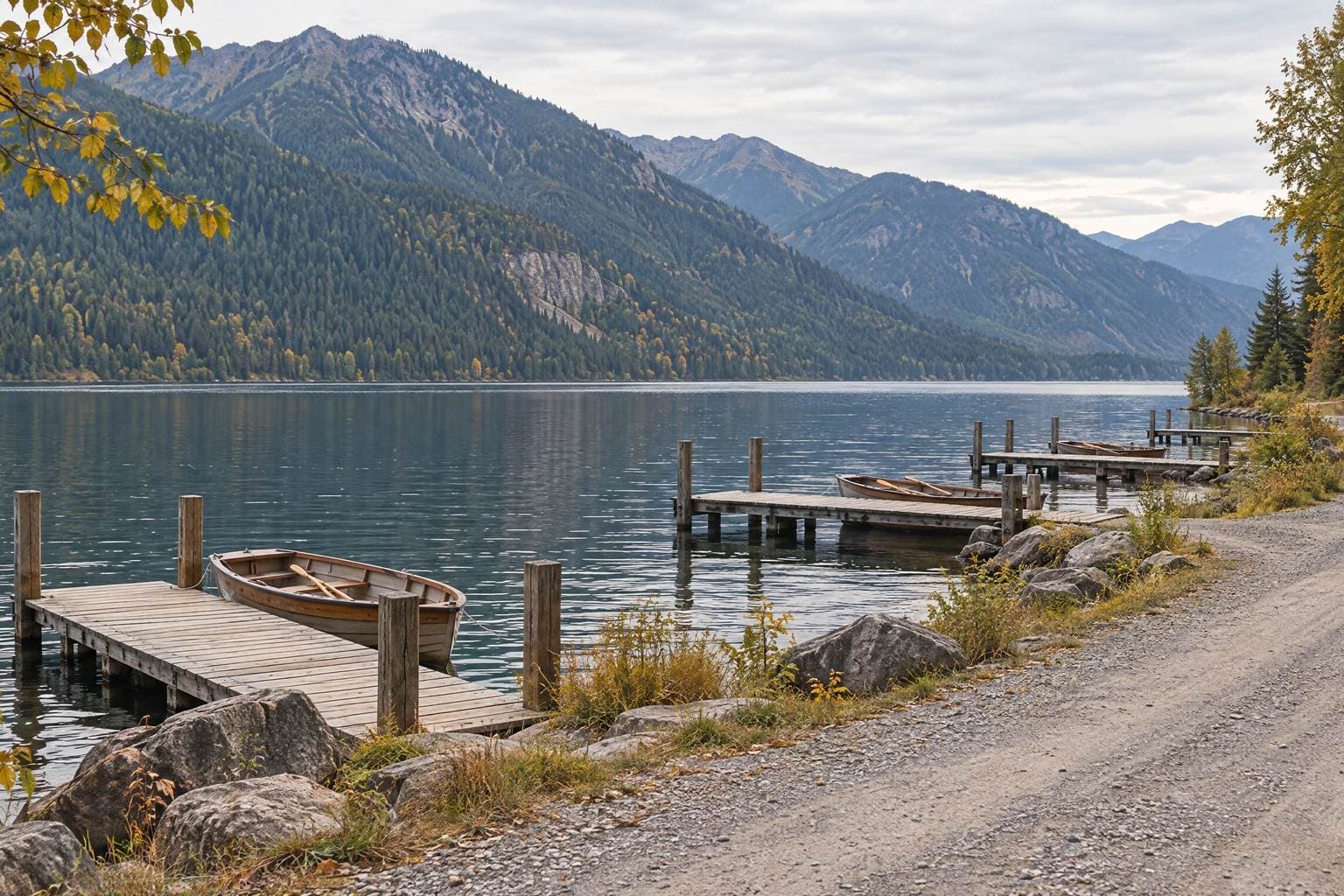
The Kootenays do not get tourism traffic by accident. Lakes, trails, ski towns, hot springs, bike routes, cabins, markets, breweries, and small-town main streets pull people through Castlegar, Nelson, Trail, Rossland, Nakusp, and beyond. That traffic is valuable, but it is also impatient.
Locals already know your reputation. Visitors do not. They are deciding from a phone in a hotel room, a car outside town, or a chairlift line, and the page that answers fastest usually wins the visit.
Tourism season rewards the business that looks current, trustworthy, and easy to choose before the visitor arrives.
What do tourists search for before they arrive?
Tourists rarely search your business name. They search by category plus place, route, timing, or trust: "kayak rental Kootenay Lake," "dinner Castlegar patio," "open now," "dog friendly cabins near Nakusp," "book online." If your page only speaks to people who already know you, it is invisible to the visitor with a card out.
Visitor searches cluster into a few patterns. Cover the language travellers actually type, not just your brand name.
- 01
Category plus town
Best coffee Nelson BC, bike repair Rossland, cabins near Nakusp, breakfast near the ferry. They lead with the thing they want and the place they are.
- 02
Route and proximity
Restaurant near me, things to do near Kokanee Glacier, shops near Columbia Avenue. Proximity and landmarks matter more than your address line.
- 03
Time-sensitive intent
Open now, open Sunday, last-minute rooms, same-day rental, summer hours. A wrong or missing hour ends the search instantly.
- 04
Trust and comparison
Best reviewed, family friendly, dog friendly, accessible, beginner friendly. They are filtering the map down to a safe choice.
- 05
Action searches
Book online, reserve a table, order pickup, buy tickets, get directions, check availability. The intent is already to act, not browse.
You can see exactly how a stranger reads your homepage in the first few seconds. I dug into that in looking trustworthy online in 10 seconds, which pairs well with this guide.
What should I update before the tourism rush?
You do not need a rebuild. You need the visitor-facing details to be current, aligned, and easy to act on. Focus on six things: hours and availability, recent photos, location and route clarity, FAQs and policies, a clean mobile booking path, and a notice area for sudden changes. Fix those and most friction disappears.
- 01
Hours and seasonal availability
Regular hours, special hours, opening dates, blackout dates, booking windows, and what to expect when you are sold out. A wrong hour costs you a visit.
- 02
Photos that prove the current season
Real, recent images of the exterior, entrance, product, experience, patio, rooms, rentals, or food. Visitors trust a current photo more than a polished old one.
- 03
Location and route clarity
Map links, parking, landmarks, drive time, entrances, meeting points, and highway or ferry context. Make arrival obvious, even on weak signal.
- 04
FAQs and policies
Answer pets, kids, accessibility, weather, wildfire smoke, cancellations, what to bring, late arrival, refunds, and group size before a stranger has to ask.
- 05
Mobile contact or booking path
Make the main action obvious on a phone. If people pinch, hunt, scroll forever, or retype details, the page is quietly leaking visitors.
- 06
Emergency update pattern
A visible notice area for road closures, smoke, wildfire, flooding, staffing, capacity, or sold-out dates. Decide where it lives before you need it.
- Are you open today, and are these hours actually current?
- Where exactly are you, and how hard is it to get there from the highway?
- Is this place right for my group, budget, timing, and route?
- Can I book, reserve, call, order, or visit without decoding the website?
- What happens if weather, smoke, road work, staffing, or capacity changes the plan?
- Do the photos, reviews, policies, and copy make the business feel active right now?
If your rush comes in winter, I cover how to prepare your website for ski season in its own guide.
Google Business Profile vs. website: which one matters for visitors?
You need both, and they have to match. The Google Business Profile wins the first glance: hours, photos, map pin, reviews, and a tap to call or get directions. The website wins the full decision: proof, policies, availability, FAQs, booking details, and local context. A profile without a strong site loses the careful visitor; a site the profile contradicts loses trust.
| What is being compared | Google Business Profile | Your website |
|---|---|---|
| Main job | Get discovered and earn the first glance | Win the full decision and the booking |
| Where it shows | Maps, search, the local pack | Search results, links, and direct visits |
| Best for | Hours, photos, reviews, directions, calls | Proof, policies, availability, FAQs, conversion |
| Depth of answer | Quick facts and one tap to act | The full story a careful visitor needs |
| What breaks trust | Stale hours or photos | Contradicting the profile, slow on mobile |
| Who controls it | Google, within their rules | You, end to end |
If your business is not turning up on the map at all, start with why you may not be showing on Google Maps before you touch the website copy.
What does tourism-ready look like by business type?
The pattern is the same for everyone, fast clarity for a stranger, but the proof differs. A cafe needs current hours and a patio photo; a tour needs dates, price, and a meeting point; a cabin needs rates and a cancellation policy. Match the page to the buying moment the visitor is actually in. Campgrounds and RV parks have their own version of this, covered in what a campground or RV park website needs before booking season.
- Restaurants, cafes, breweries
- Current hours, patio or indoor status, reservation rules, menu highlights, parking, accessibility, events, takeout links, and fresh exterior photos.
- Tours, rentals, guides
- Dates, availability, price, duration, meeting point, what to bring, safety notes, group size, weather policy, and booking cutoff.
- Accommodations, cabins, B&Bs
- Room types, seasonal rates, an availability link, minimum stays, pet rules, check-in details, parking, nearby attractions, and cancellation policy.
- Retail, galleries, farm stands
- Seasonal products, opening dates, hours, market schedule, gift cards, pickup options, product photos, and local-maker proof.
- Events, venues, attractions
- Dates, ticketing, capacity, access, parking, rain or smoke plans, accessibility, family details, and arrival instructions.
- Local service businesses
- Service area, response times, tourist-friendly emergency help, summer lead times, before-and-after proof, and what fills up first.
How much does it cost to get a website ready for tourism season?
Most tourism-readiness wins are updates, not a rebuild, so the real cost is a few focused hours rather than a big project. If your site is older or fights you on edits, a starter presence site at Kootenay Made Digital begins at $2,000 once, or $500 today and 12 monthly payments of $142, which is $2,204 all in through Own It Monthly. The free check-up at /audit shows whether you need updates or a fresh foundation.
Start by fixing the leaks a stranger notices first: stale hours, old photos, a buried phone number, no booking path. Those cost almost nothing but lost time. If editing your current site is slow or risky, that friction is usually the real expense, and it is the case for a cleaner foundation. My website services range from a Trailhead presence site to growth and booking-heavy builds, scoped to what your season actually demands, and the tourism-specific version of that build is laid out on the tourism and resort websites page.
Do not over-invest before the rush. A polished redesign that lands in August helps next year, not this one. Get the visitor path working now, then improve the rest once the page stops bleeding obvious opportunities.
How do I get my website ready in one week?
If the season is close, run a focused seven-day sprint. One day per job: audit the first screen, align your channels, rewrite for visitor intent, refresh proof, clean the mobile booking path, add FAQs, then test on real mobile data. A week of this removes most visitor friction without a redesign.
- 01Audit the first screen for current season, location, proof, and one obvious next action.
- 02Align website hours, Google Business Profile, social bios, booking links, and map details so they tell the same story.
- 03Rewrite the page around visitor intent: category, place, timing, price context, and trust.
- 04Refresh photos, reviews, menus, packages, products, and any seasonal proof.
- 05Clean the mobile booking, calling, reservation, ordering, or quote flow and remove unnecessary steps.
- 06Add FAQs for parking, route, weather, smoke, pets, kids, accessibility, cancellation, and what to bring.
- 07Test on mobile data and prepare notice language for road, wildfire, weather, staffing, or sold-out changes.
A realistic before and after
Composite example based on common tourism-season gaps. No fake revenue lift or imaginary analytics, just the operational shape.
Before
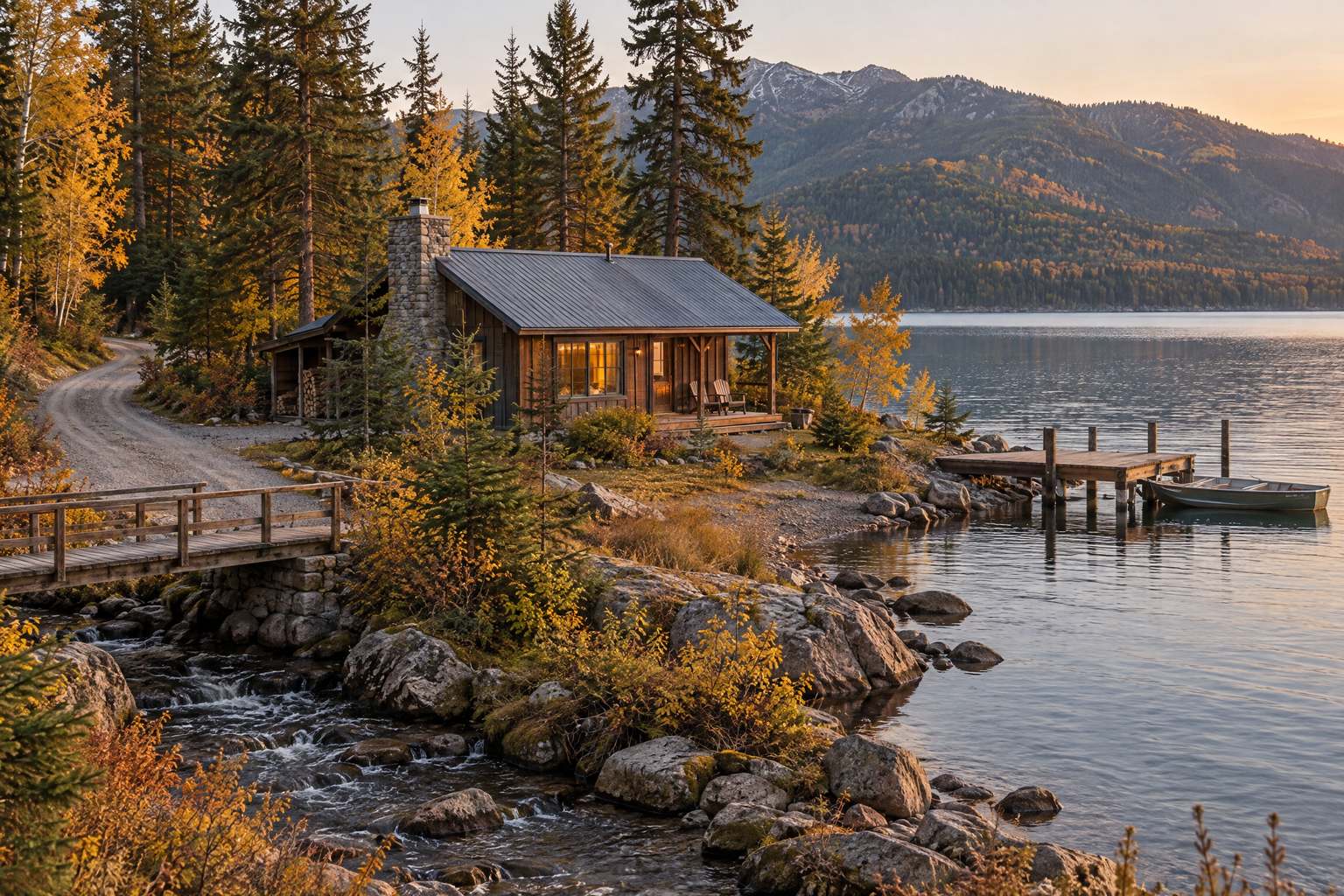
A lakeside Kootenay business had loyal locals, but visitor traffic saw old shoulder-season hours, dated photos, vague location details, no clear booking path, and silence on weather or parking. It looked less ready than it actually was.
After
The updated page led with current season dates, one clear action, fresh photos, parking and route notes, reviews, FAQ answers, Google profile alignment, and a visible notice pattern for smoke, weather, and sold-out days. Visitors could trust it faster.
Illustrative composite. No invented numbers.
What are the most common tourism-website mistakes?
The biggest mistakes are quiet ones: hours that contradict Google, photos from three seasons ago, a phone number you have to hunt for, and no plan for the day smoke or a road closure changes everyone's trip. Each one sends a stranger to the next result without a word.
- 01
Writing for locals, not visitors
A page that assumes you already know the business under-serves the traveller who has money, intent, and no patience for mystery.
- 02
Letting channels drift apart
Website hours, Google hours, social bios, and booking links disagreeing is the fastest way to look closed, gone, or unreliable.
- 03
Hiding the next step
If the main action is not obvious on a phone, you are asking a stranger to work for the privilege of giving you money. Many will not.
- 04
No plan for sudden change
Wildfire smoke, a highway closure, or a sold-out weekend will happen. A business with a ready notice area keeps trust; one without it looks chaotic.
Want a deeper, Kootenay-specific play on this? I expanded it in how Kootenay tourism businesses win visitors. When you are ready to act, the fastest first move is a free check-up that flags the friction a visitor hits before you do.
Sources and further reading
- Destination BC Learning Centre
Tourism-industry learning resources for BC operators on visitor readiness, marketing, and content. A solid baseline for what travellers expect.
- Google Search Central: page experience
How Google frames a usable mobile page: Core Web Vitals, HTTPS, mobile display, and no intrusive popups. It matters most when visitors are on a phone.
- Google Business Profile help
Official guidance on hours, special hours, photos, services, and the customer-facing details travellers check before they ever reach your site.
- DriveBC
Road conditions, closures, and construction across BC highways. Worth linking when route uncertainty affects whether a visitor can reach you.
Frequently asked questions
When should I update my website for tourism season?
Update the main visitor-facing pieces eight to twelve weeks before peak season if you can. If the rush is already close, prioritize hours, location, current photos, booking or contact flow, Google Business Profile alignment, and emergency update messaging first.
What matters most for visitor traffic?
Visitors need fast answers: what you offer, where you are, when you are open, what it costs, whether there is availability, how to book or contact you, and why they should trust you over the next option on the map.
Is a Google Business Profile enough during tourism season?
No. It is important but not enough. The profile drives discovery and quick trust, while the website handles the full decision: proof, policies, availability, FAQs, booking details, local context, and conversion. The two have to match.
How should I handle changing hours or closures?
Set a clear update pattern before the season starts. Use special hours on Google Business Profile, a visible notice area on the site, social updates when needed, and plain language about weather, smoke, road, staffing, or sold-out changes.
Should I show prices or rates?
Show exact prices when you can. If pricing varies, show starting rates, ranges, what affects the quote, or sample packages. Visitors are already comparing, so hiding all price context can turn a qualified visitor into a bounce.
Do tourism businesses need a separate page for visitors?
Often, yes. A visitor searches differently than a local. A tourism-focused page can answer route, parking, seasonal availability, what to bring, policies, nearby landmarks, accessibility, and booking questions in one place.
What should I track once tourism season starts?
Track calls, form submissions, booking clicks, map clicks, top landing pages, Google profile actions, mobile performance, and which pages visitors use right before they contact you. That shows where the path works and where it leaks.
Can I fix this myself, or do I need a redesign?
Most tourism-readiness wins are updates, not a redesign: hours, photos, route details, mobile booking, and proof. The free check-up at /audit shows which of those gaps a visitor hits first, so you fix the leaks that cost the most.
Related pages
- Tourism and resort websites
- Campground and RV park websites
- Adventure operator websites
- Web design in Invermere
- Web design in Golden
Kootenay Made Digital
I build websites, local presence, and calm AI setups for Kootenay small businesses. Plain language, published prices, and clear work that makes you easier to find and easier to choose.